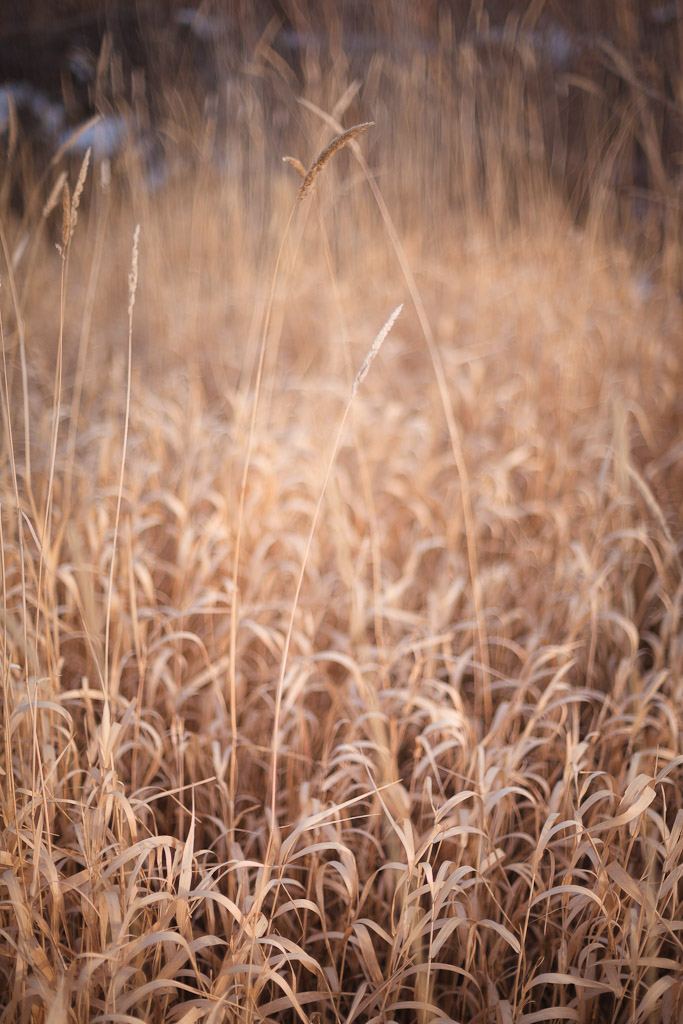
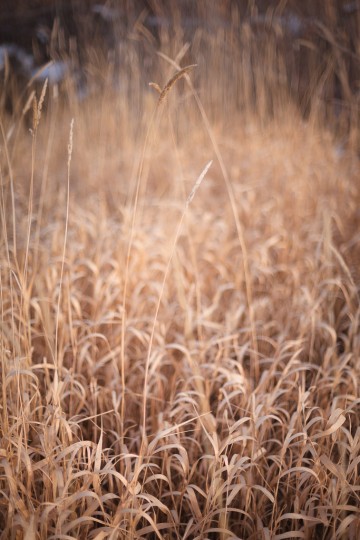
 Tall dried grass I’m trying to print a wide range of photos as I start up on my Daily Print project to give myself a feel for what kinds of prints I’m fairly good at making already, and which areas I could use more practice.
I’m also trying to use a range of tools and techniques that I haven’t used before, to try to add them to my regular workflow to be used as required. This image showed just a hint of “green fringing” chromatic abberation, so I tried out Lightroom 4.1’s new “Defringe” controls. I don’t know if the slight fringing would have been noticeable in a print originally, but it sure wasn’t after a little bit of extra tweaking. Cool.
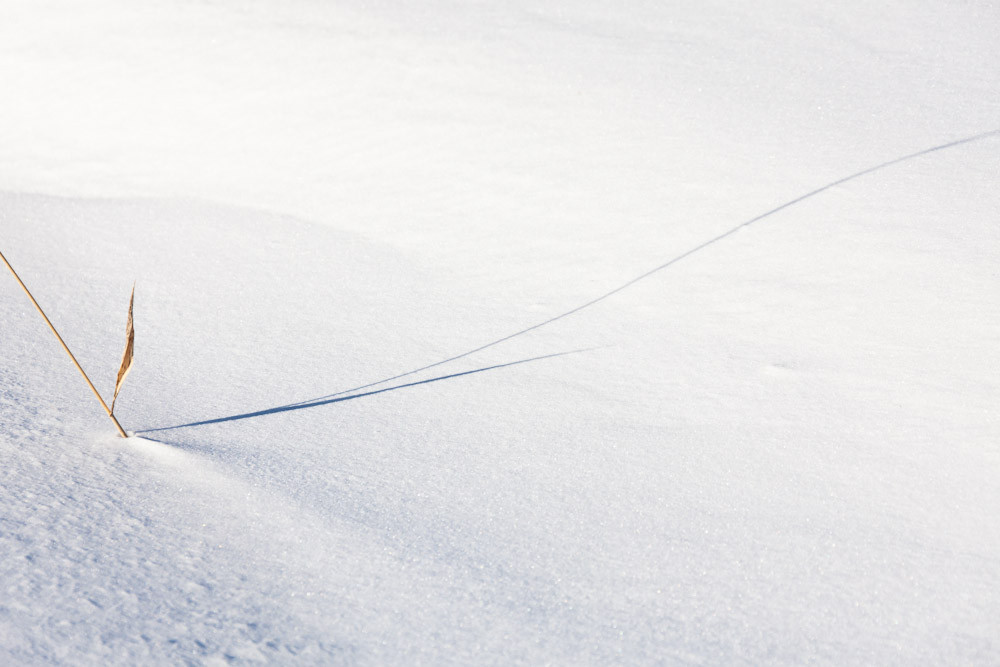
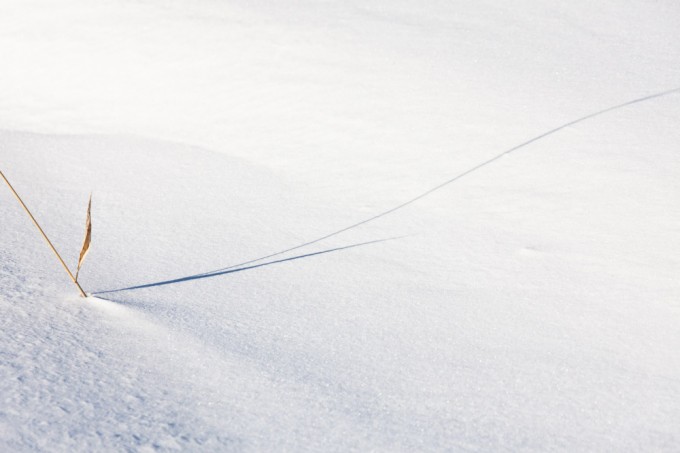 Dried grass calligraphy on fresh snow Yesterday was a beautiful, sunny winter day in Edmonton (although a bit too warm—things shouldn’t be melting yet!) and I took the chance to take the snowshoes (and kid, and dog, and camera) out to the Cooking Lake-Blackfoot Provincial Recreation Area. I like going into the park from the south end, parking at the Islet Lake staging area.
With all the snow we’ve gotten, the lakeshore topography has been smoothed out to gentle undulations of perfect, smooth snow. That, combined with the low sun this time of year, provides lots of chances for photographs with simple, elegant lines and minimal visual clutter.
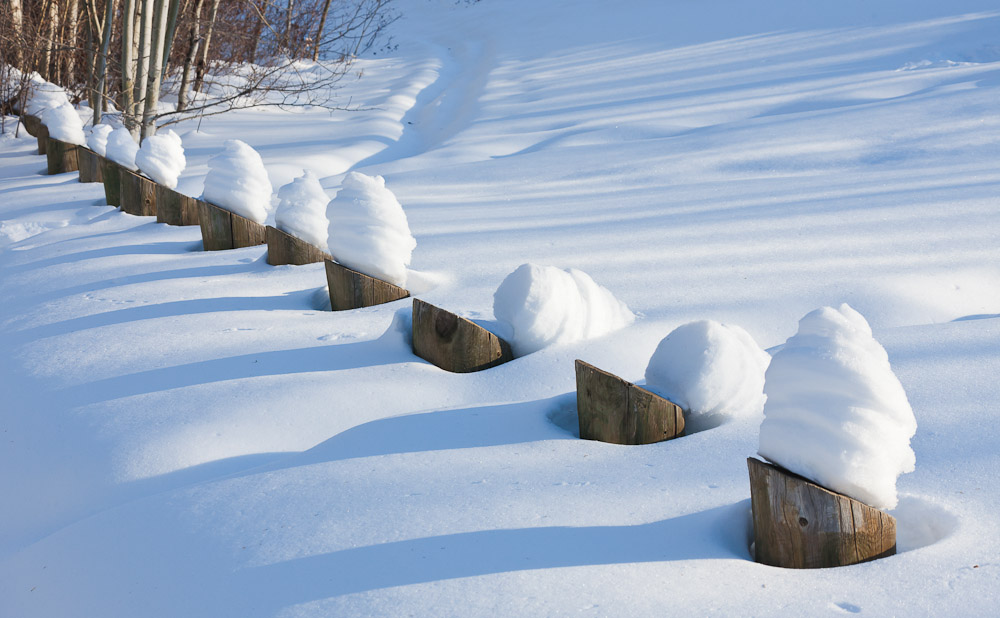
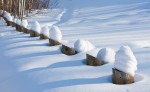 Cooking lake post-top snow cones (And then there’s this one—pretty much on the other end of the spectrum—using the same basic elements for slapstick rather than elegance… but can you guess which one my daughter preferred?)
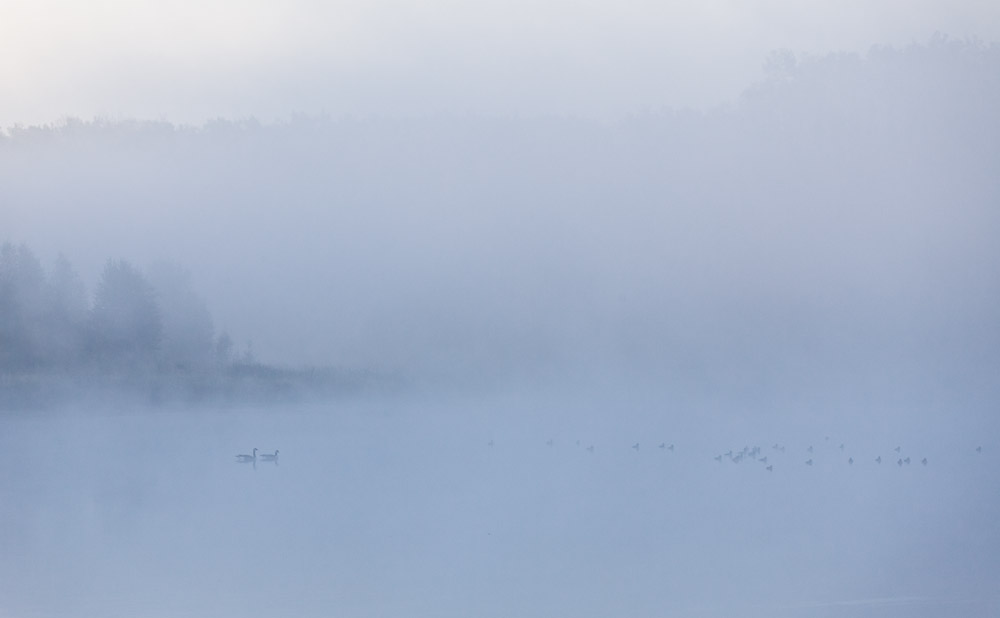
 Waterfowl on misty morning lake Here’s another photograph that I made the same morning as the one in my previous post. Although I took it less than ten minutes later than the previous photo, from nearly the same spot on the lake shore, and rotated only about 90 degrees, this photograph has a completely different feel to it—and that’s one of the things that I love most about photographing the landscape.
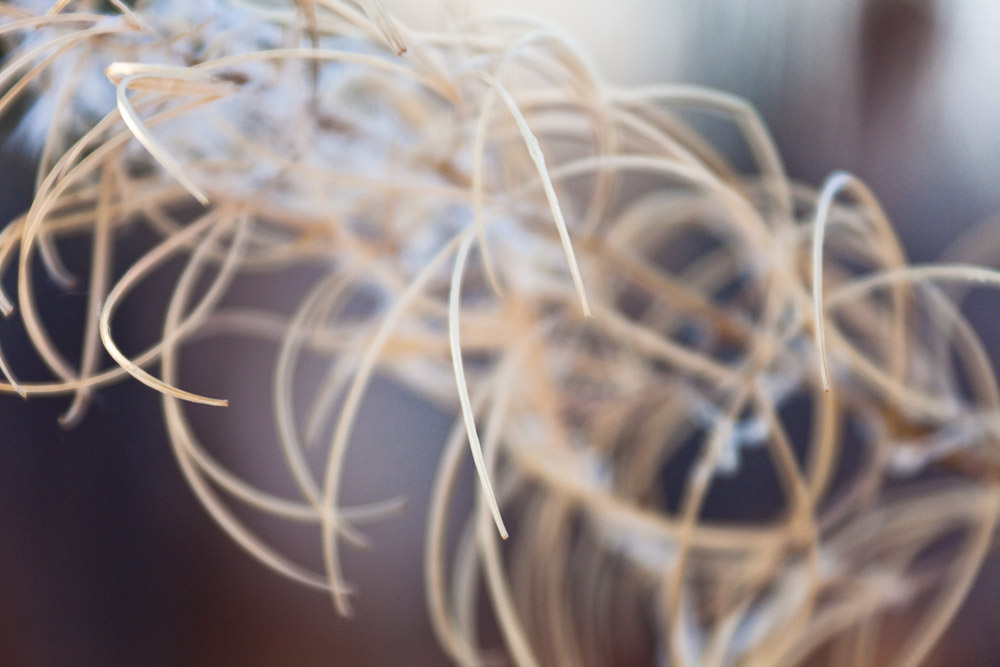
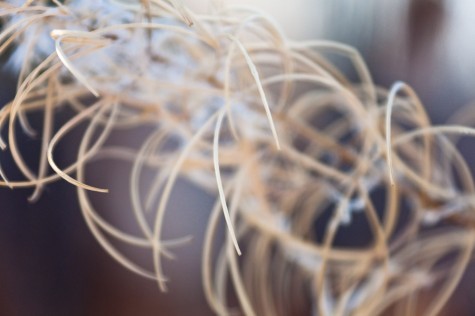 Curves in dried fireweed I know it’s odd to call this post “Dried fireweed detail” when 95% of the photograph is out of focus. For me however, this image captures the essence of the detail—and the depth—of the dried seed pods. The title’s also a bit if a play on words—using “detail” in the sense of a close-up of a portion of a larger work, like when a small section of a painting is enlarged in a book to show a painter’s technique, for example. I really enjoy getting in close to a photographic subject to look for an angle that can capture the greater “whole” of the subject while showing only a small portion.
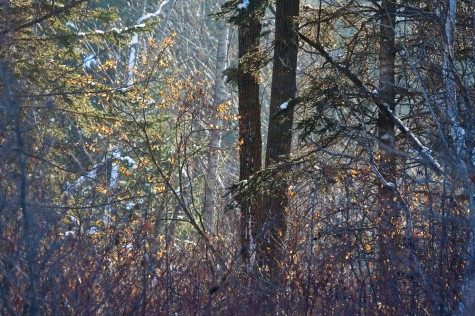 Warm winter colours I took this photograph during a beautiful lunch-time walk through the Whitemud Ravine. Although it was mid-day, because of the season the light was angled low and filtered through a very light haze, giving it a warm tone. It’s unusual to see warm-toned colours much during the winter, but if you catch it just right they can add an interesting mood to an image.
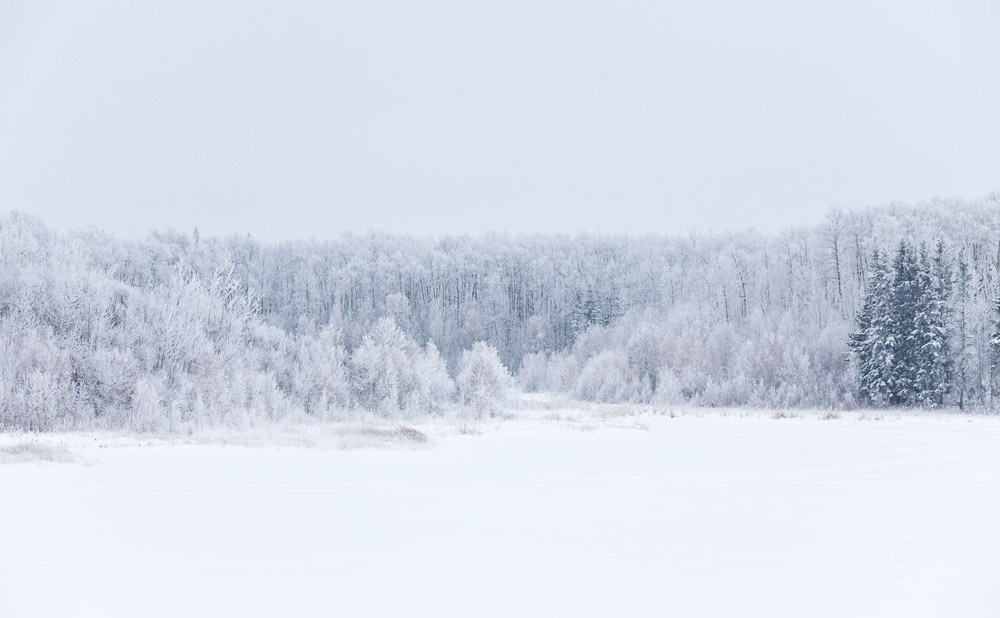
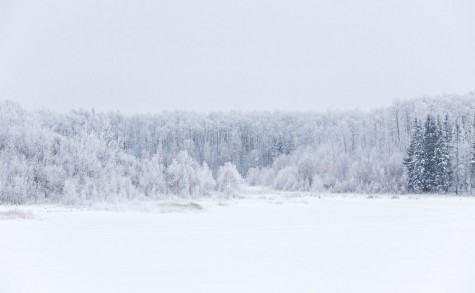 Ministik shoreline in white To continue the line of thought from my last entry, another type of composition that I find can work on grey, overcast winter days when the light is perfectly flat and even is a “high-key” image like this one. If there’s fresh snow, the whole landscape can turn the same colour–light grey. I find the trick is to ensure that my exposure is bumped up a little bit to turn the greys to white, and to find a little bit of contrast (spruce are great for this) for visual interest. These very subtle, almost monotone, images really capture the feeling of these most-subtle of winter days.
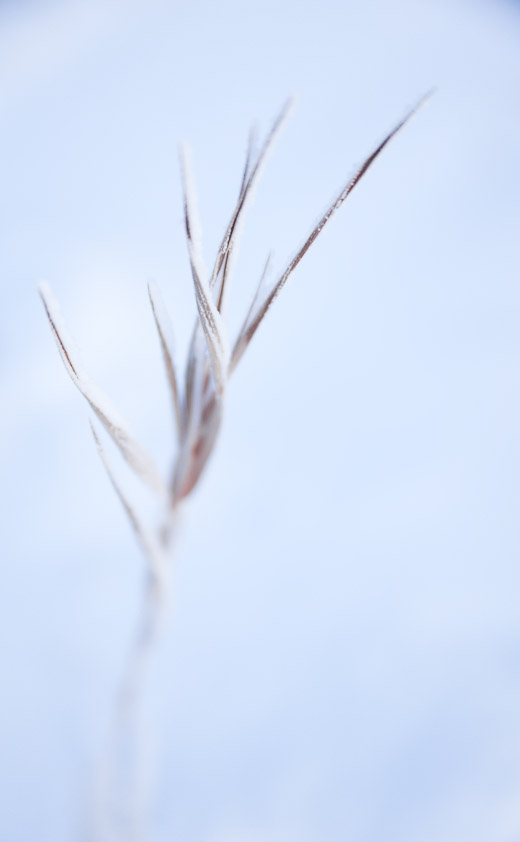
 Frost on eight dried grass leaves After a heavy frost, even the most simple details can take on an extraordinary appearance. I made this photograph with a wide open aperture, and as close as possible to give a really narrow depth of field. This removes/blurs most of the finest details of the frost and dried grass blades, and concentrates the focus (no pun intended) of the image on the form, the sweep, of the grass. But, to me, the little bit of frost detail visible just along the narrow plane of focus, gives that extra little “spark” to the image.
|
(Click photos to enlarge)
|