I’ll be displaying (and perhaps selling) several of my photographs at the Kaleido Arts Festival the weekend of September 9, 10 & 11. There is an opening gala on Friday night with many of the artists in attendance (including myself). Hope to see you all there!
From the Kaleido Festival home page (http://artsontheave.org/festivals/kaleido-festival-2010/whats-on/friday-schedule/):
“View works of art for sale from over 50 visual artists in a multitude of mediums and styles. The art gallery located within the Old Cycle Building opens at 6 pm with a beer, wine and cheese reception, catered by Creative Quality Catering and Bistro and live performance by Edmonton’s very own Lionel Rault. Find the perfect handmade gift or painting at the Artisan Village located on 118th Avenue, as the party spills into the street with the Friday night Blues Party featuring Dr. Blu and the Kevin Cook Band.”
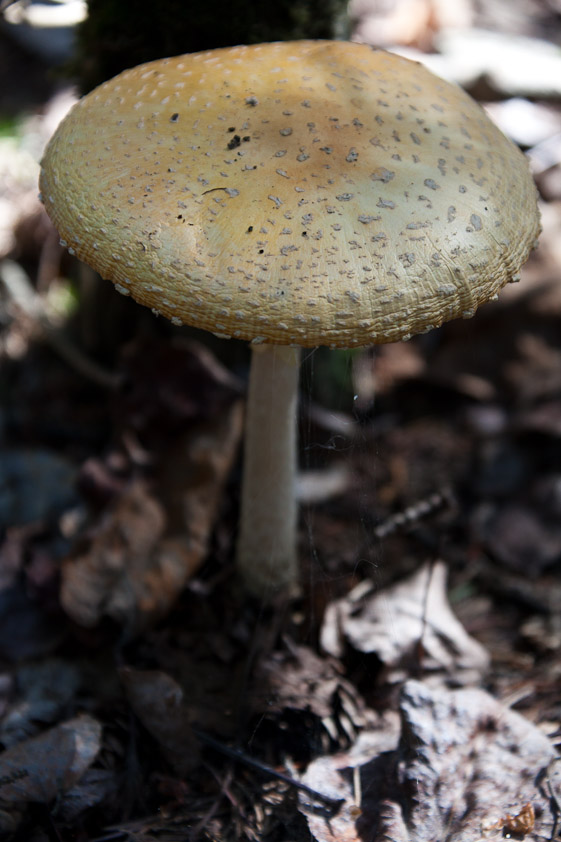
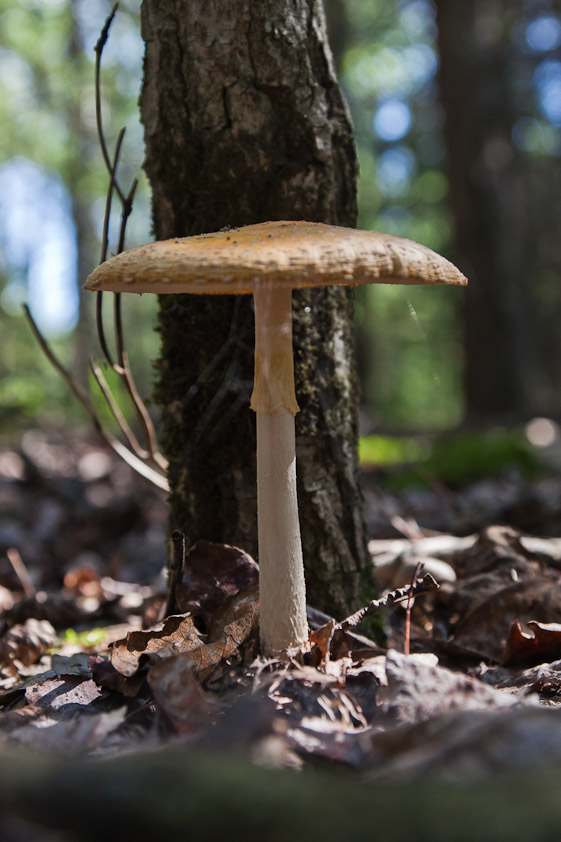
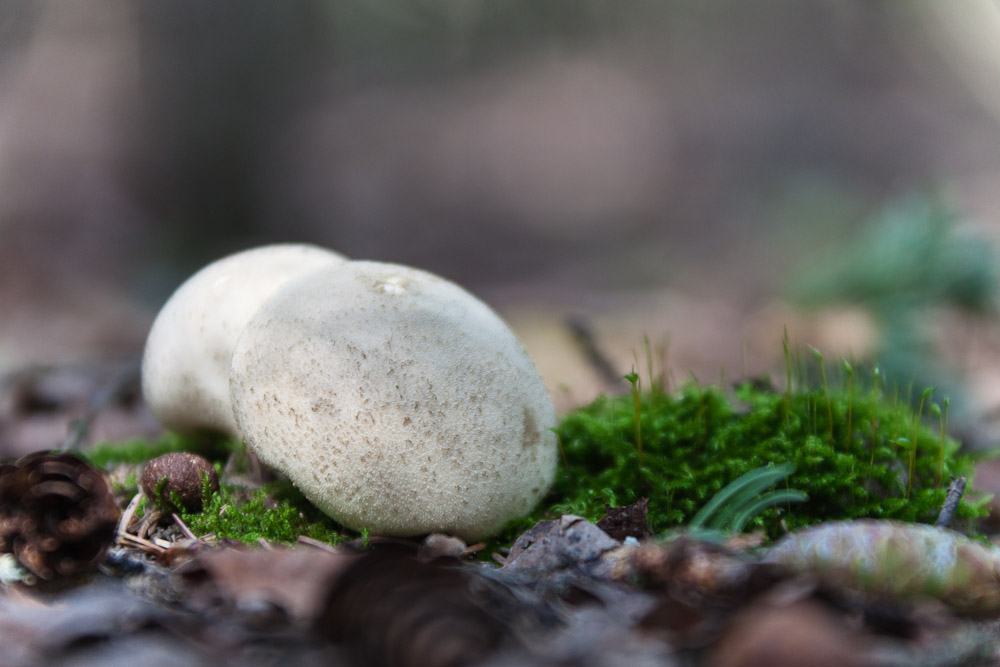
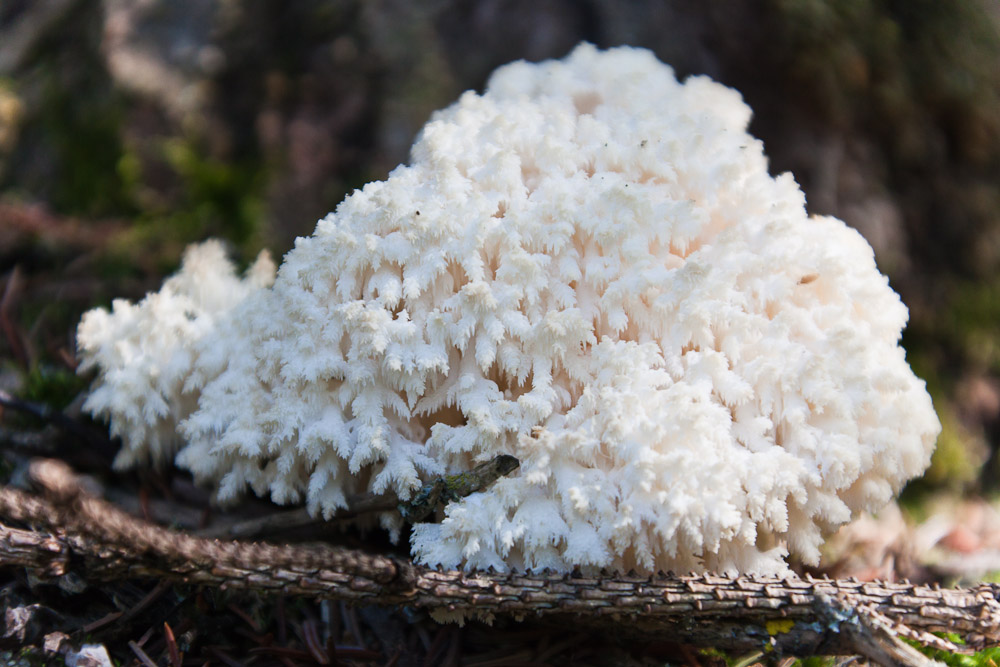
In my last post, I didn’t say much about the photographs themselves, as they were more documentary than artistic in nature, but perhaps one thing I’ll mention, as something for you to try out if you haven’t already, is that for the first time I used the “Live View” function on my DSLR to get down really low beside these mushrooms for an interesting perspective (e.g. the puffball, and the amanita).
Live View (i.e. framing the photo using the LCD on the back of the camera) has been common on point-and-shoot cameras for a long time, but is just being introduced on SLR cameras in the past few years. However, I still find myself using the optical viewfinder for everything except shooting video—just old fashioned I guess (although in my defence, I think the form factor of a DSLR does not lend itself to being held at arms’ length, especially with a longer lens attached). In this case though, by using the Live View, I could basically have the camera and lens on the ground, and still compose a decent image even though I was also carrying my daughter in a big backpack. You can see the difference in two photos above, the one on the left I made looking through the viewfinder while crouching as low as possible, and the one on the right is taken in the same posture, but using the LCD on the back of the camera to compose the image.
Using Live View (or whatever your camera’s maker calls it) for this type of otherwise awkward shot is definitely a trick that I will keep in mind for the future, and recommend to others for those moments where the unusual angle is tempting, but laying prostrate just isn’t.
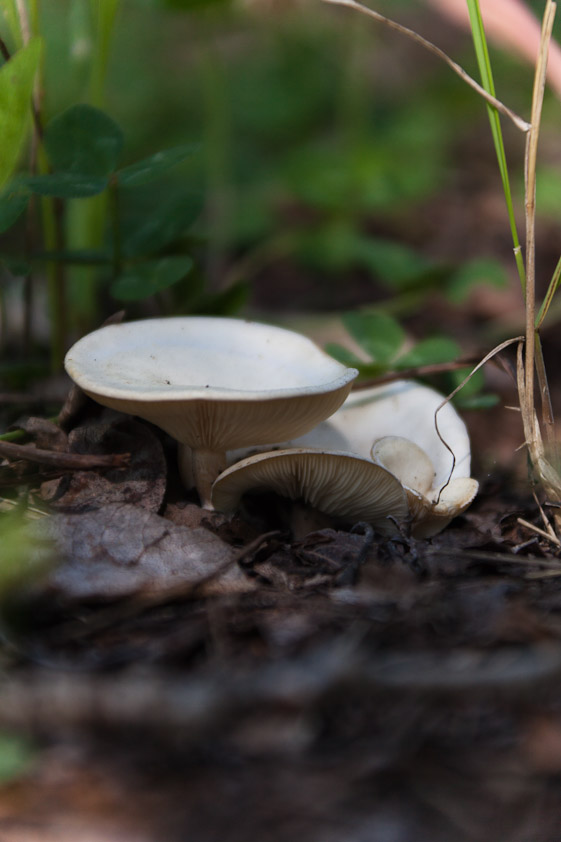
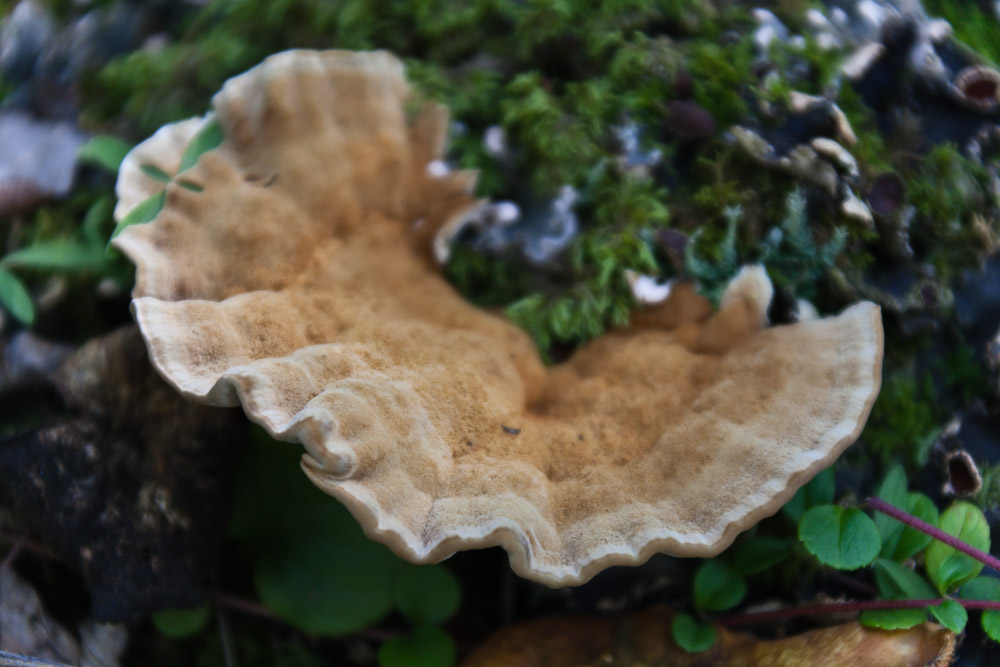
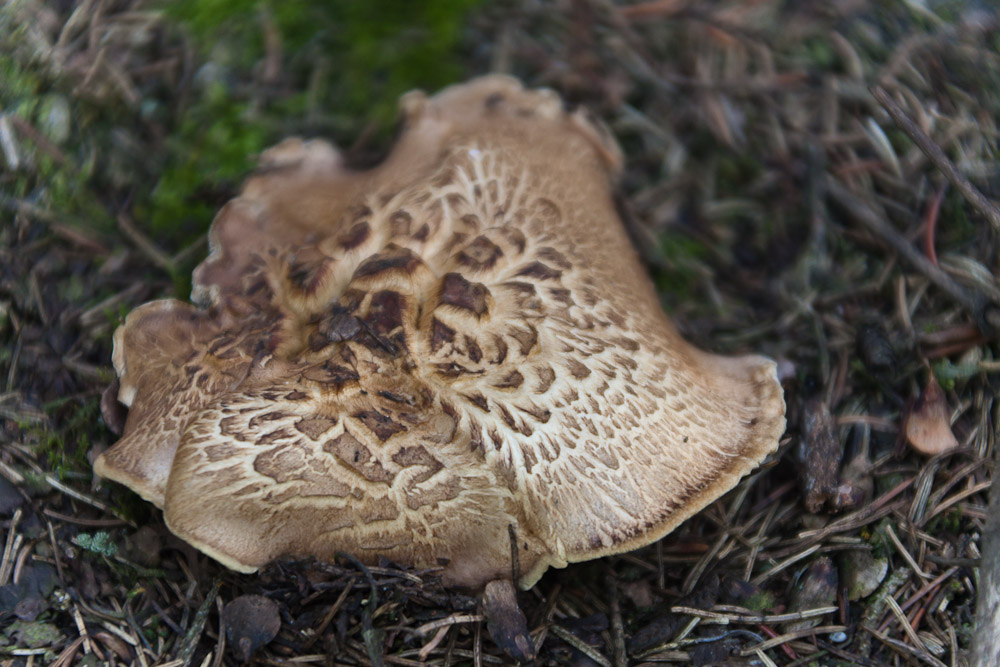
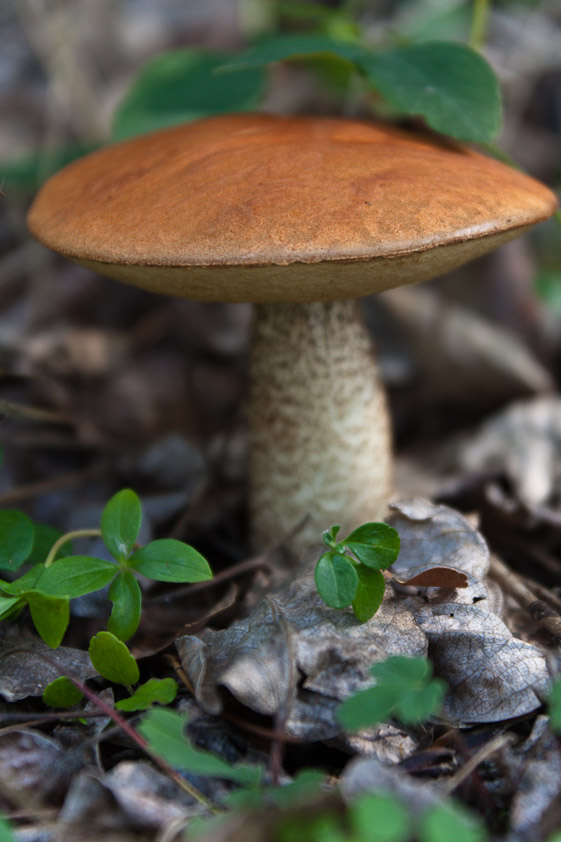
I took a great walk through Ministik Lake Game Bird Sanctuary yesterday afternoon—always one of my favourite places to photograph (click here to see why). The weather we’ve had this year has been just right for growing mushrooms (warm days, lots of afternoon showers), and there was a fantastic selection of beautiful species on show. I’ll not write too much, just post a bunch of photos to inspire those of you who—like myself—have both photographic and mycological tendencies, to go out and find some fungi.
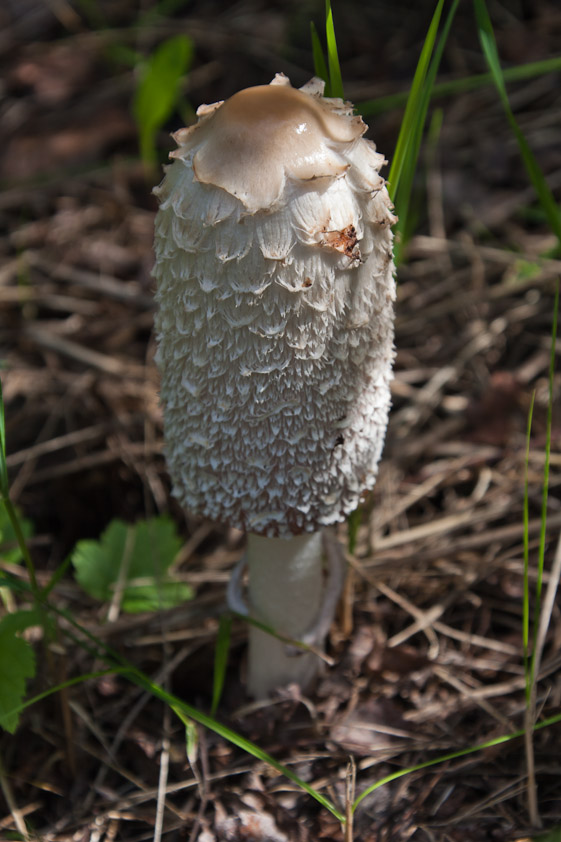
Shaggy Mane
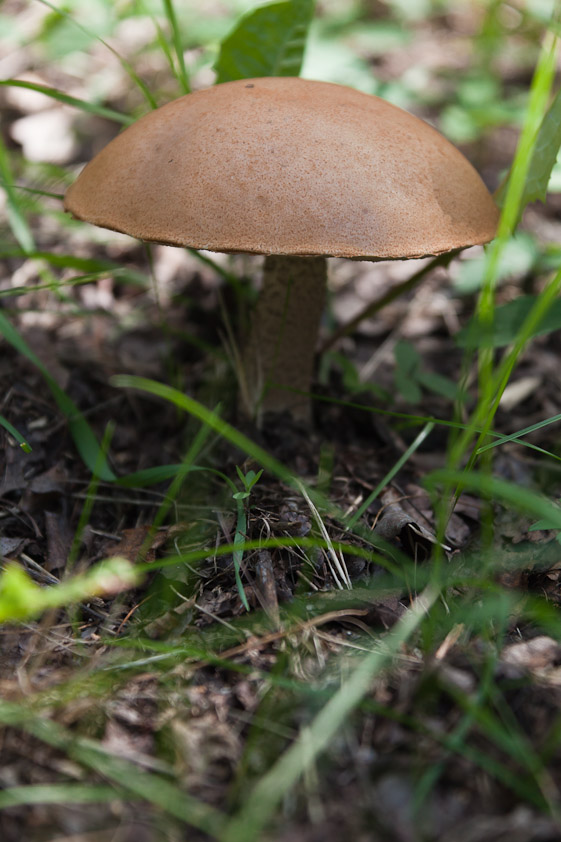
Bolete
White Anise-scented Clitocybe
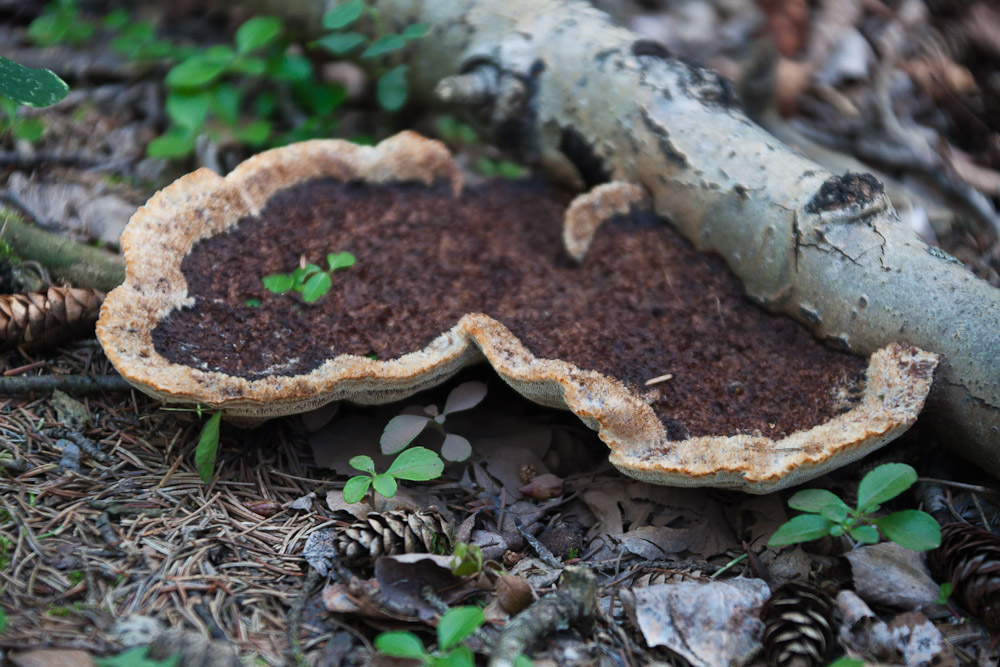
Bracket mushroom
Scaly Hedgehog
Northern Roughstem
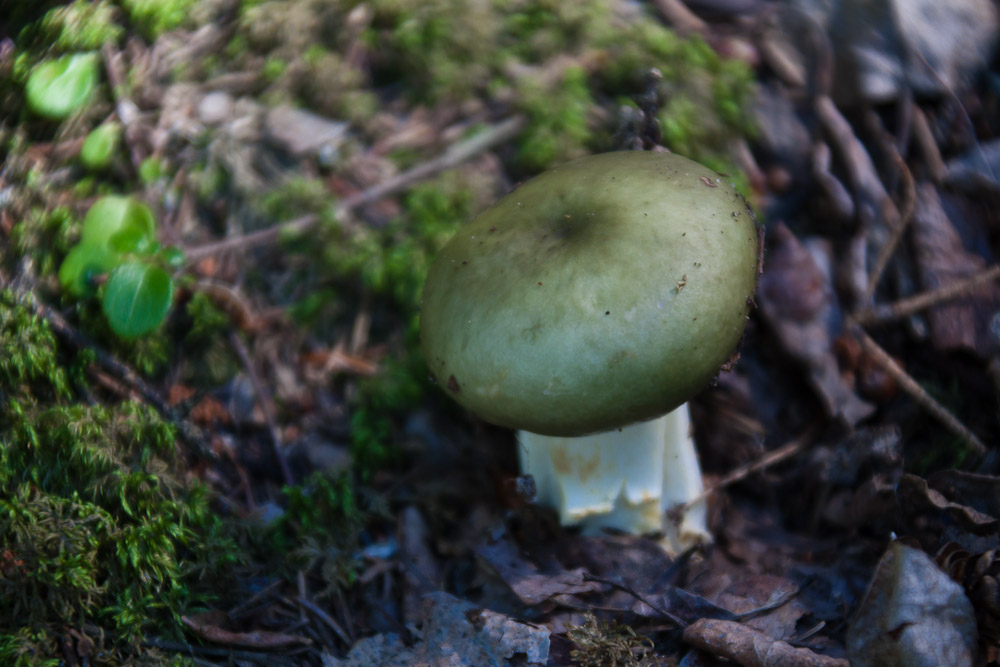
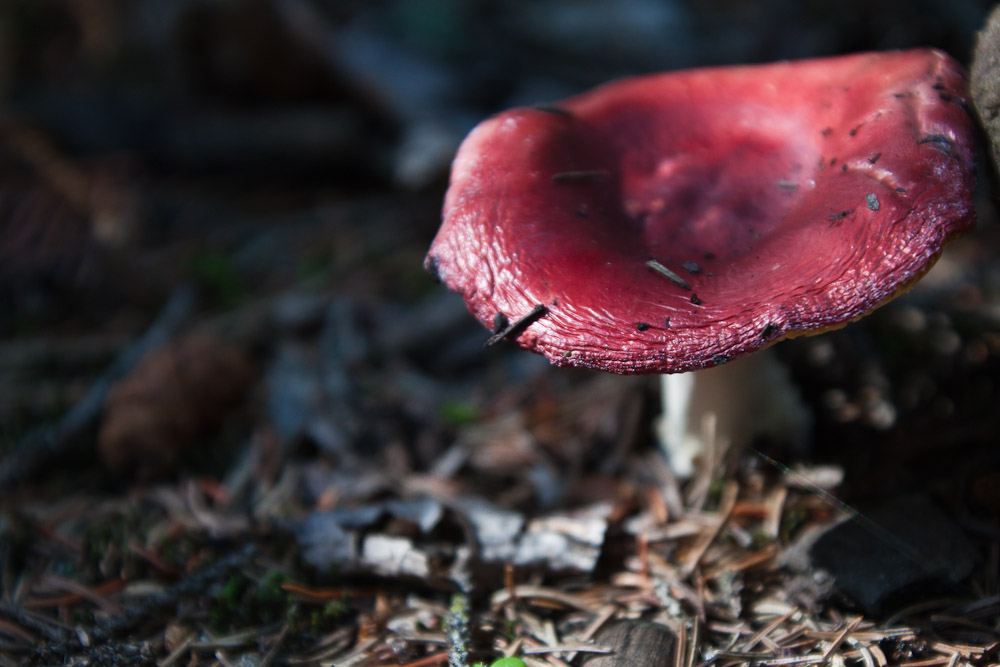
Green Russula
Puffball
Tinder Conk
Bracket fungus
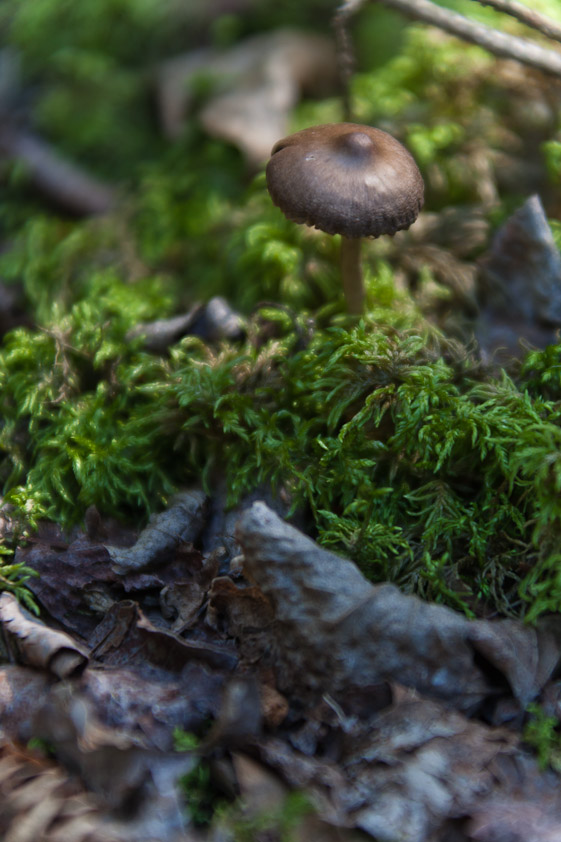
Small unidentified mushroom
Amanita mushroom
Branched Hericium
Northern Russula
P.S. My mushroom ID skills are not terrible, but do not take my word that these are what I say they are. Instead, I’d recommend taking the word of Helene M.E. Schalkwijk-Barendsen in her gorgeous book Mushrooms of Northwest North America by local Edmonton publishing company, Lone Pine.
And, on that note, if you think I’ve gotten the ID wrong on any of these or you can be more specific (latin names would be great!) I would really appreciate a note left in the comments.
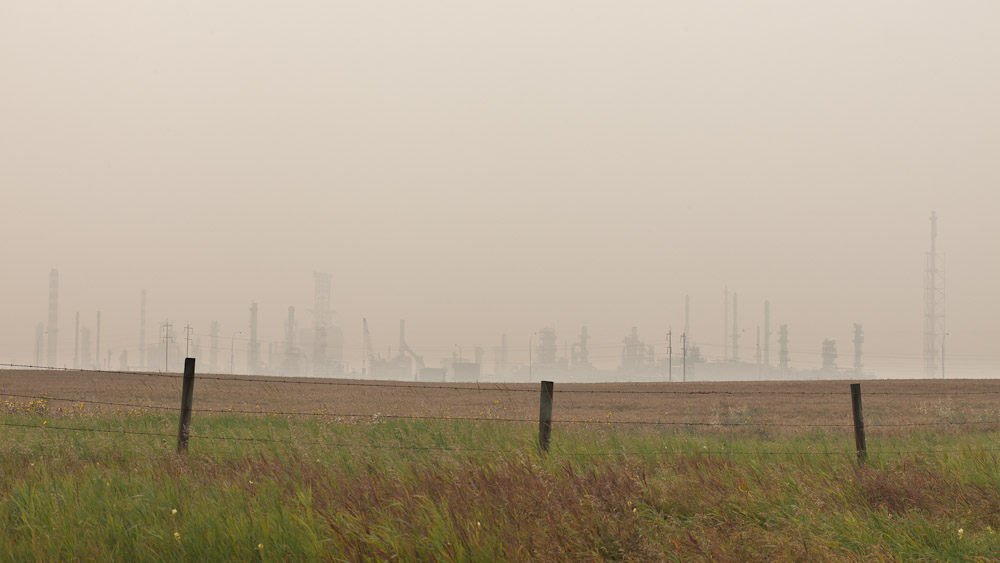
In my last post I mentioned that I don’t often photograph wildlife—but couldn’t resist the little warbler. And far less commonly than wildlife do I ever photograph heavy industrial complexes and refineries—but this week I couldn’t resist.
On Thursday morning (the 19th), thick smoke from forest fires burning in BC rolled in, covering the city in a dim, orange-y haze. While a big problem for asthmatics, unique lighting/atmospheric conditions like this are a great opportunity for landscape photographers. So I headed out of town with my camera, thinking I’d go to out to Ministik or one of my other favourite natural areas east of Edmonton. But as I drove out of town, the effect of the filtered light and the thick smoke obscuring background details, caught my eye.
I’ve noticed the interesting, almost abstract, shapes and lines of the refineries for a while but the high-contrast surfaces and limited colour palette never quite inspired me sufficiently to grab my camera (and I’m usually on my way out, or back from, a beautiful walk in the forest and I don’t feel like staring at refineries). Brooks Jensen, editor of the excellent photography magazine, LensWork, once spoke in a podcast (click here to listen to it) about the concept of the “decisive landscape moment”. Borrowing the idea from the late, great street photographer Henri Cartier Bresson, Brooks suggests that we need to wait for something unique to happen on the landscape in order to make an interesting photograph—a simple idea, but definitely worth keeping in mind. And on Thursday, the refineries east of Edmonton had their “decisive moment” and I had a lot of fun trying out making photographs of an entirely different subject matter.
I made a good number of photographs that I’m pretty excited about and perhaps I’ll share some more of them here. Leave a note in the comments to let me know what you think—I always appreciate hearing your reactions to any of the photographs I post here.
I don’t normally photograph much wildlife (I don’t have the long lenses and patience usually required), but I couldn’t resist this little bird (a Yellow-rumped (or Audubon’s) Warbler) that I watched feeding along a small mountain stream for nearly a half hour. It was very early in the season and there had been a little snow overnight so the air was cool and damp, and the insects this bird was after were moving really slowly. He would perch on these willow saplings over the creek, turning his head to watch and then dart out to grab his meal from the air or the underside of a new leaf. It was a lot of fun to watch, and—employing the time honoured, fine-art, “shotgun” approach to composition—I filled up a good portion of my memory card trying to get just the right shot.
I know this photograph breaks a couple “golden rules” of composition—you’re not supposed to centre your subject (rule of thirds) or have the subject looking out of (rather than into) the frame. But I think it works this way (I even cropped in a little from a more “traditionally” framed shot). I think the shadowed area in the top-left balances the light, empty area at the bottom, and for me, the bird’s out-of-frame gaze gives a bit of the feeling that he’s just about to leave the frame himself (which in fact he did). Let me know what you think—just click below to add your thoughts. Thanks!
I’ve recently upgraded my computer to a newer machine capable of processing the beautiful high-definition video files that my 5DmkII can produce. It’s a lot of fun to learn about the whole new world of video capture and editing, and I’m just starting to get a bit of a handle on things.
One thing I’ve been doing recently as a first step into working with video is to make a photograph and a video of the same subject. These are basically still photographs, with motion. What I like about making shots like these is that sometimes, the motion in a scene is an important part of the “essence” of the scene, and now I have a way to try to capture that too.
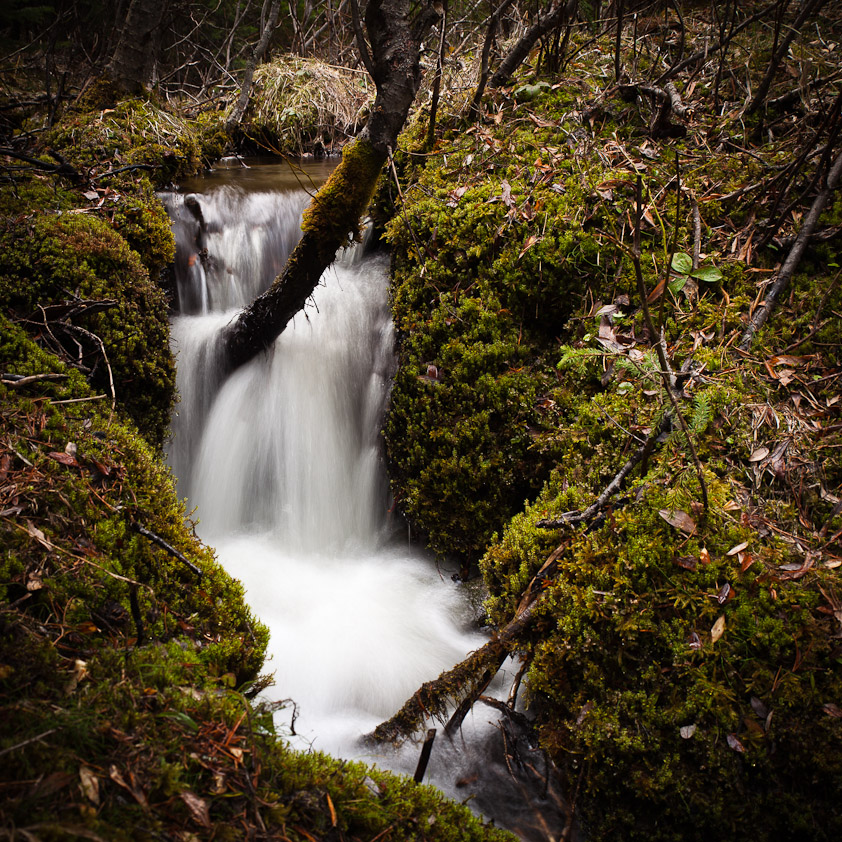
In this example (compare the video in this post with the still photograph in yesterdays post), I used a long-ish exposure for the still image (1/2 a second) to hint at the movement of the water, but I also captured this short video clip. I tried (somewhat successfully) adding a vignette effect to match the processing of the photograph. What do you think? Is there something additional in the video that’s missing in the still photo? or does the video just add complexity to the image without adding to the “essence”? In any case, it’s fun to experiment with, and that’s the whole point. I hope you enjoy it.
It’s been a busy summer, but I’m slowly starting to work my way through all the photographs that I made during my time in Banff and in the boreal forest of north-western Alberta. This photograph is of one of my favourite things to come across while walking through the forest—a small creek flowing over a little waterfall. You can usually hear them a few steps before you see them and it’s such a peaceful, relaxing sound—birds in the background, cool morning breeze in the tops of the spruce—beautiful.
One of the big challenges of photographing in the boreal is that there is so much detail—understory plants, fallen leaves, twigs, etc. that it is sometimes hard to concentrate the focus of the viewer on the intended subject of the photograph. In this case, I used a fairly heavy vignetting in post-processing to darken the detail from the corners and concentrate the attention to the water and moss. I have a portfolio of boreal photography where I used another, more experimental technique to achieve the same goal. Click here to have a look at that portfolio.